Understanding Seasonal Planting Strategies
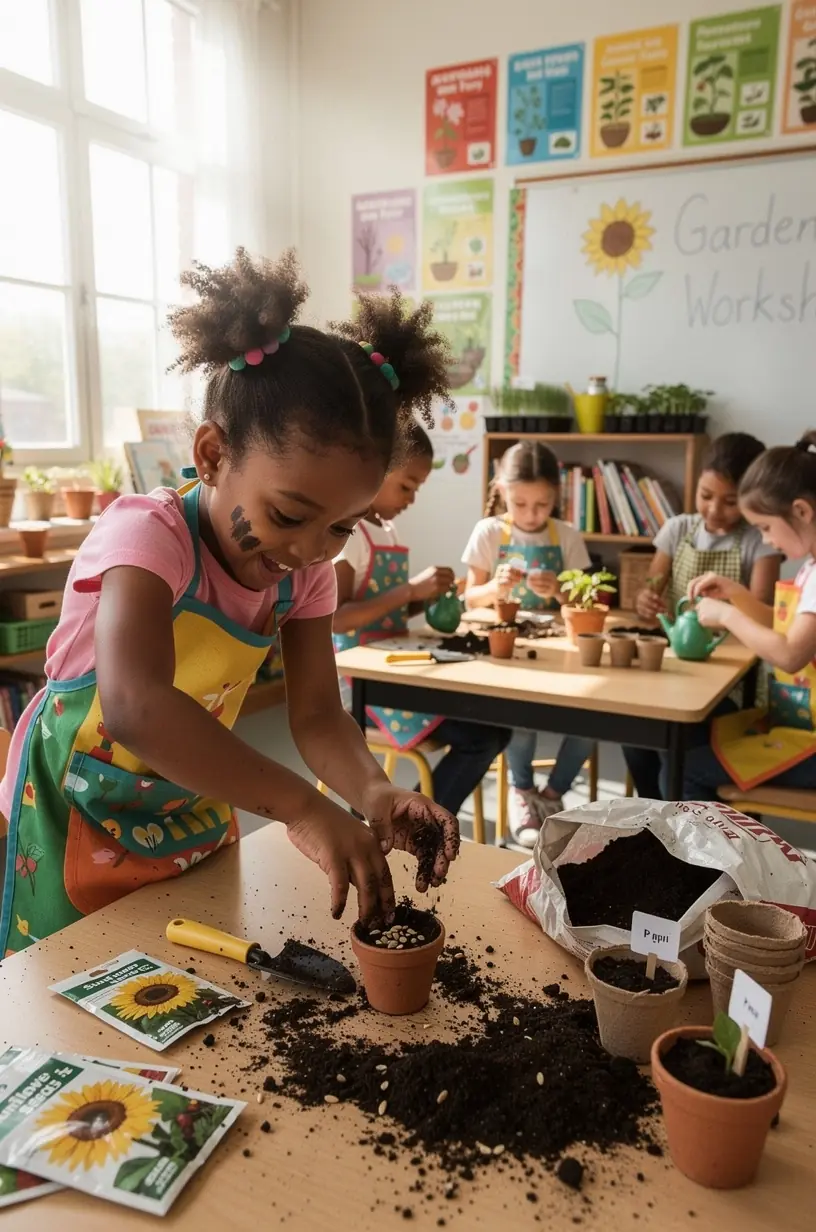
Seasonal planting strategies are crucial for cultivating healthy gardens that thrive throughout the year. This article aims to educate gardeners on the principles behind these strategies, providing practical insights that can enhance their gardening experience.
Understanding the Basics of Seasonal Planting
Seasonal planting involves selecting and planting crops based on the specific climate conditions and seasonal changes in your region. Experts recommend this approach as it maximizes yield and minimizes pest issues. According to the USDA, understanding your USDA Plant Hardiness Zone can help determine the most suitable plants for your area.
"Successful gardening is often about timing and understanding your local climate." - Gardening Expert
The Importance of Timing
Planting at the right time can significantly affect plant growth and productivity. Generally, the best times to plant in the US are:
- Spring: Ideal for cool-season crops like lettuce and peas, typically planted after the last frost.
- Summer: Suitable for warm-season crops such as tomatoes and peppers, often planted once soil temperatures reach above 60°F.
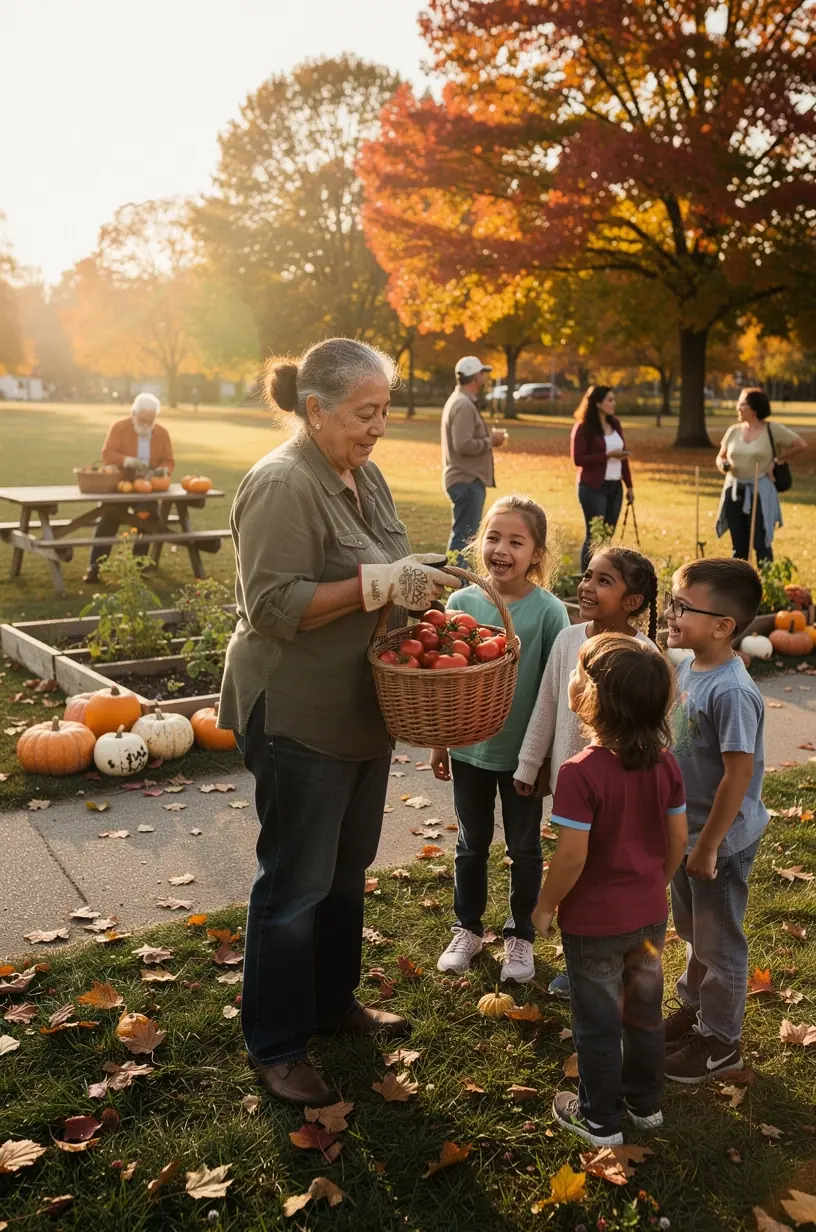
- Fall: Great for planting overwintering crops like garlic and certain greens, best planted several weeks before the first frost.
Practical Application of Seasonal Planting
Implementing seasonal planting strategies involves several key steps:
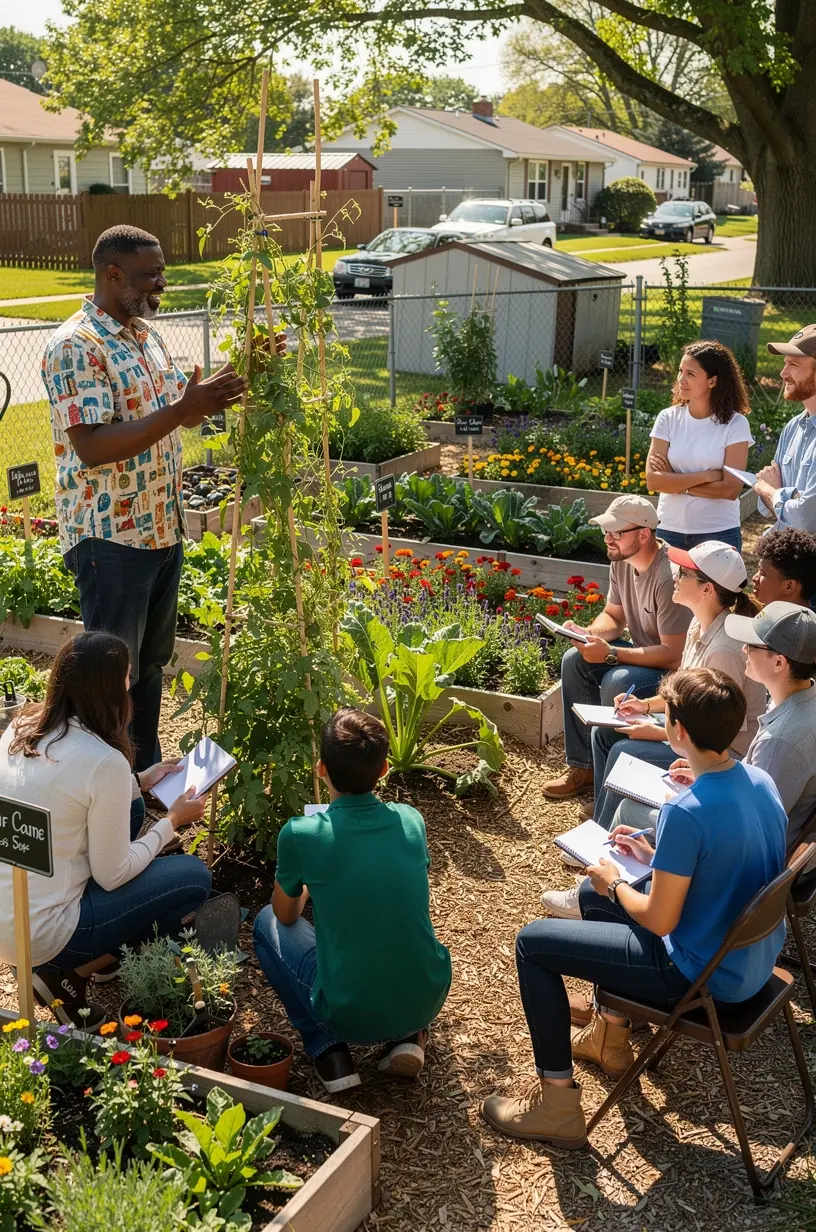
- Research Local Climate: Understand local weather patterns and select crops accordingly. Resources like the USDA Climate Zones can provide valuable information.
- Plan Your Garden Layout: Design your garden to accommodate both seasonal changes and crop rotation. This approach may help reduce soil depletion and pest buildup.
- Monitor Soil Conditions: Regularly check soil temperature and moisture levels, as these factors can influence germination and growth rates.
Common Challenges and Solutions
While seasonal planting is effective, there are challenges to consider:
- Some plants may not thrive if planted too early or late; thus, using frost date calculators can enhance your timing accuracy.
- Soil quality may need improvement, which can take time. Regular testing and amendments typically involve a commitment of effort over time.
- Local pests may target specific crops during certain seasons. Researching pest cycles can help implement preventive measures.
Conclusion
Understanding seasonal planting strategies can significantly improve your gardening success. By researching climate conditions, timing your planting correctly, and being aware of potential challenges, you can cultivate a thriving garden throughout the year. Whether you’re a novice or an experienced gardener, these strategies offer a reliable framework for enhancing your gardening practices.