How to Build a Composting System at Home
Composting at home can be a rewarding and sustainable way to manage organic waste while enriching your garden soil. In this article, we’ll explore the essentials of building a composting system, including the key principles, materials needed, and realistic expectations for time and effort.
Understanding the Basics of Composting
Composting is the natural process of recycling organic matter, such as kitchen scraps and yard waste, into a valuable fertilizer for plants. According to research from the Environmental Protection Agency (EPA), composting reduces the amount of waste sent to landfills and decreases greenhouse gas emissions.

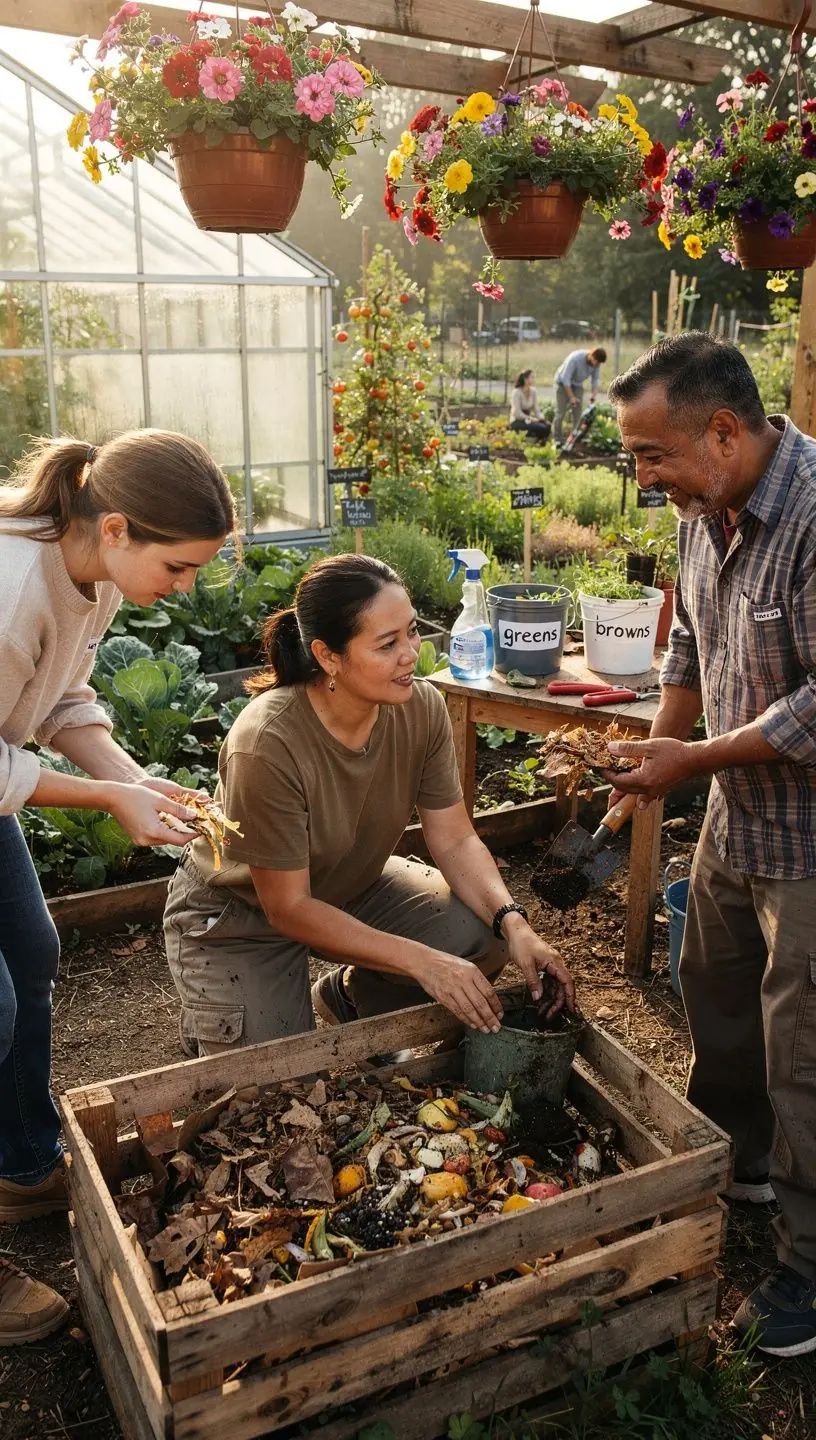
Experts recommend a balanced mix of green materials (nitrogen-rich) and brown materials (carbon-rich) to create effective compost. This process works because microorganisms break down the organic materials, which eventually turn into nutrient-rich compost.
"Composting not only benefits your garden but also contributes to a healthier planet by reducing waste and pollution." - Environmental Scientist
Step-by-Step Guide to Building Your Composting System
Creating a composting system at home typically involves the following steps:
- Choose a Composting Method: There are several methods, including pile composting, bin composting, and worm composting. Pile composting is the simplest and can be done directly on the ground, while bin composting provides a more contained approach.
- Select a Location: Choose a spot that is dry, shaded, and accessible. This location will help maintain moisture levels and facilitate easy turning of the compost.
- Gather Materials: Collect a mix of green and brown materials. Typical green materials include vegetable scraps and grass clippings, while brown materials include dried leaves and cardboard.
- Start Layering: Begin with a layer of coarse materials (like twigs) to promote airflow. Then alternate layers of green and brown materials, ideally in a ratio of 2:1.
- Maintain Your Pile: Turn the compost every few weeks to aerate it and speed up the decomposition process. Monitor the moisture level; it should feel like a damp sponge.
- Harvest Your Compost: After 2-6 months, depending on conditions and materials used, your compost should be dark, crumbly, and have an earthy smell. This indicates that it is ready to use in your garden.
Realistic Expectations and Considerations
Building a composting system requires commitment and time. It typically takes 2-6 months to produce usable compost, depending on various factors such as the materials used and environmental conditions. Furthermore, maintaining the compost pile involves regular turning and monitoring for moisture and temperature.
This method may not be suitable for everyone, particularly if you live in a small apartment without outdoor space. In such cases, consider worm composting (vermicomposting), which can be done indoors and requires less space.
Conclusion
Establishing a home composting system is an effective approach to managing organic waste and improving your garden's health. By following the outlined steps and maintaining realistic expectations for time and effort, many users report successful compost production that benefits both their gardens and the environment. Start small, stay consistent, and enjoy the fruits of your labor in your garden!