The Role of Pollinators in Small Gardens
Pollinators are vital to the health and productivity of small gardens, yet many gardeners remain unaware of their importance. In this article, we will explore the role of pollinators, the benefits they bring to your garden, and practical steps you can take to support these essential creatures.
Understanding the Basics
Pollinators, including bees, butterflies, and other insects, contribute significantly to the ecosystem by facilitating the reproduction of flowering plants. According to the USDA, approximately one-third of the food consumed in the United States depends on pollinators. This includes fruits, vegetables, and nuts, which not only provide sustenance but also enhance the biodiversity of your garden.
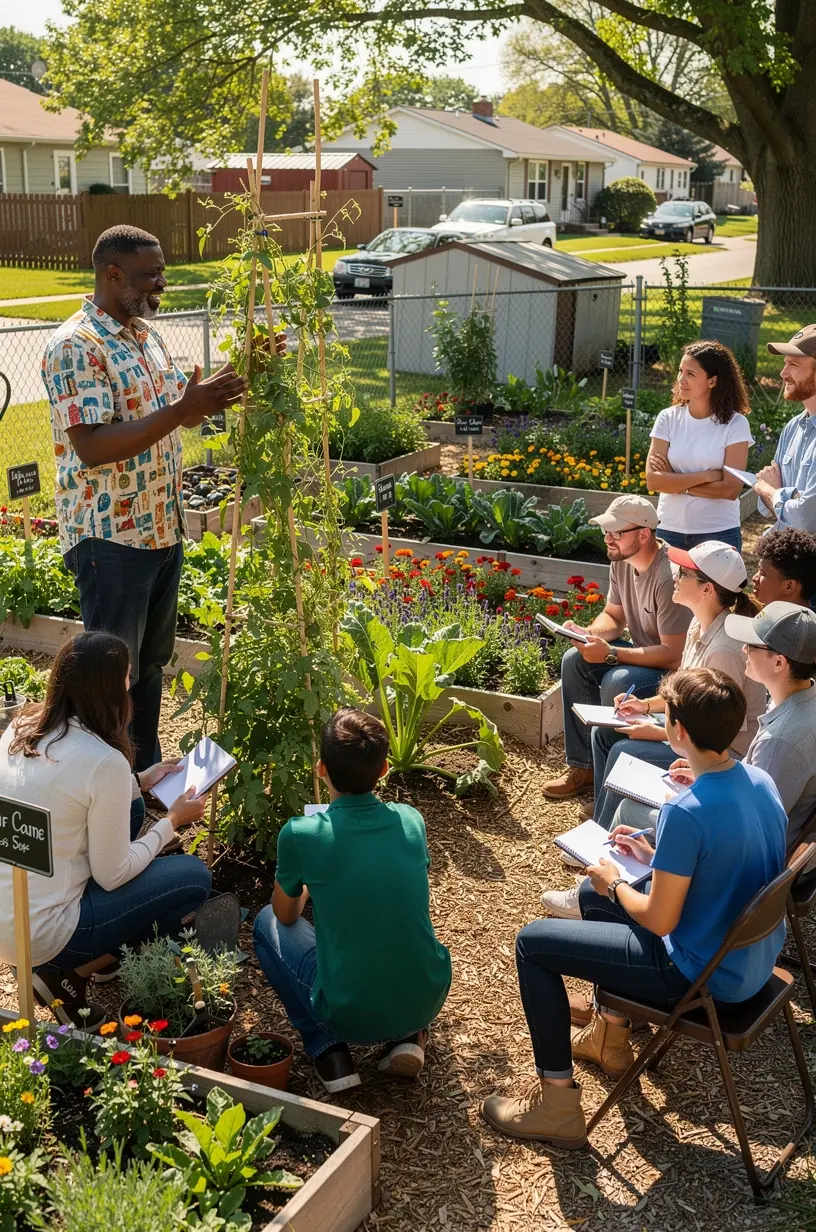
"Research indicates that gardens with high pollinator diversity yield more abundant and resilient crops."
Benefits of Pollinators in Small Gardens
Incorporating pollinators into your gardening practices can lead to a number of benefits:
- Improved Crop Yields: Studies show that gardens actively attracting pollinators can see a yield increase of up to 30% compared to those without.
- Biodiversity Enhancement: Pollinators help promote a diverse range of plants, which can create a more balanced ecosystem in your garden.
- Pest Control: A varied plant community can attract beneficial insects that naturally manage pests, reducing the need for chemical interventions.
Creating a Pollinator-Friendly Environment
To attract and retain pollinators in your garden, consider the following strategies:
- Plant Native Species: Native plants are best suited for local pollinators, providing them with the nectar and pollen they need. Experts recommend incorporating a variety of flowering plants that bloom throughout the growing season to sustain pollinators.
- Avoid Pesticides: Pesticides can have harmful effects on pollinators. When possible, utilize organic gardening practices, and choose pest management solutions that are less harmful to these vital creatures.
- Provide Habitats: Pollinators require safe spaces to nest and shelter. Incorporating small brush piles or leaving areas of the garden undisturbed can help create ideal habitats for these insects.
Challenges and Considerations
While promoting a pollinator-friendly garden is beneficial, it’s essential to acknowledge some challenges:
- Time Commitment: Creating a diverse garden that supports a range of pollinators typically requires a commitment of time and effort, particularly in the initial stages.
- Learning Curve: Understanding the specific needs of different pollinator species can involve a learning curve, especially for beginner gardeners.
Conclusion
Pollinators play a crucial role in the health and productivity of small gardens. By understanding their importance and implementing practices to support them, gardeners can enhance their garden's biodiversity and yield. While creating a pollinator-friendly environment may require effort and dedication, the natural benefits to your garden and local ecosystem are well worth it. Remember, a thriving garden not only provides food but also supports the vital pollinators that sustain it.
Explore More