Exploring Native Plants for Local Gardens
Creating a garden that thrives in your local environment can be both rewarding and sustainable. This article explores the use of native plants, their benefits, and how they can enhance your gardening experience.
Understanding the Importance of Native Plants
Native plants are species that naturally occur in a specific region, adapting to the local climate, soil, and wildlife. According to the U.S. Environmental Protection Agency (EPA), using native plants in gardening can provide numerous advantages. These plants are typically more resilient, requiring less water and maintenance compared to non-native species. Additionally, they support local ecosystems by providing habitats and food sources for native wildlife.
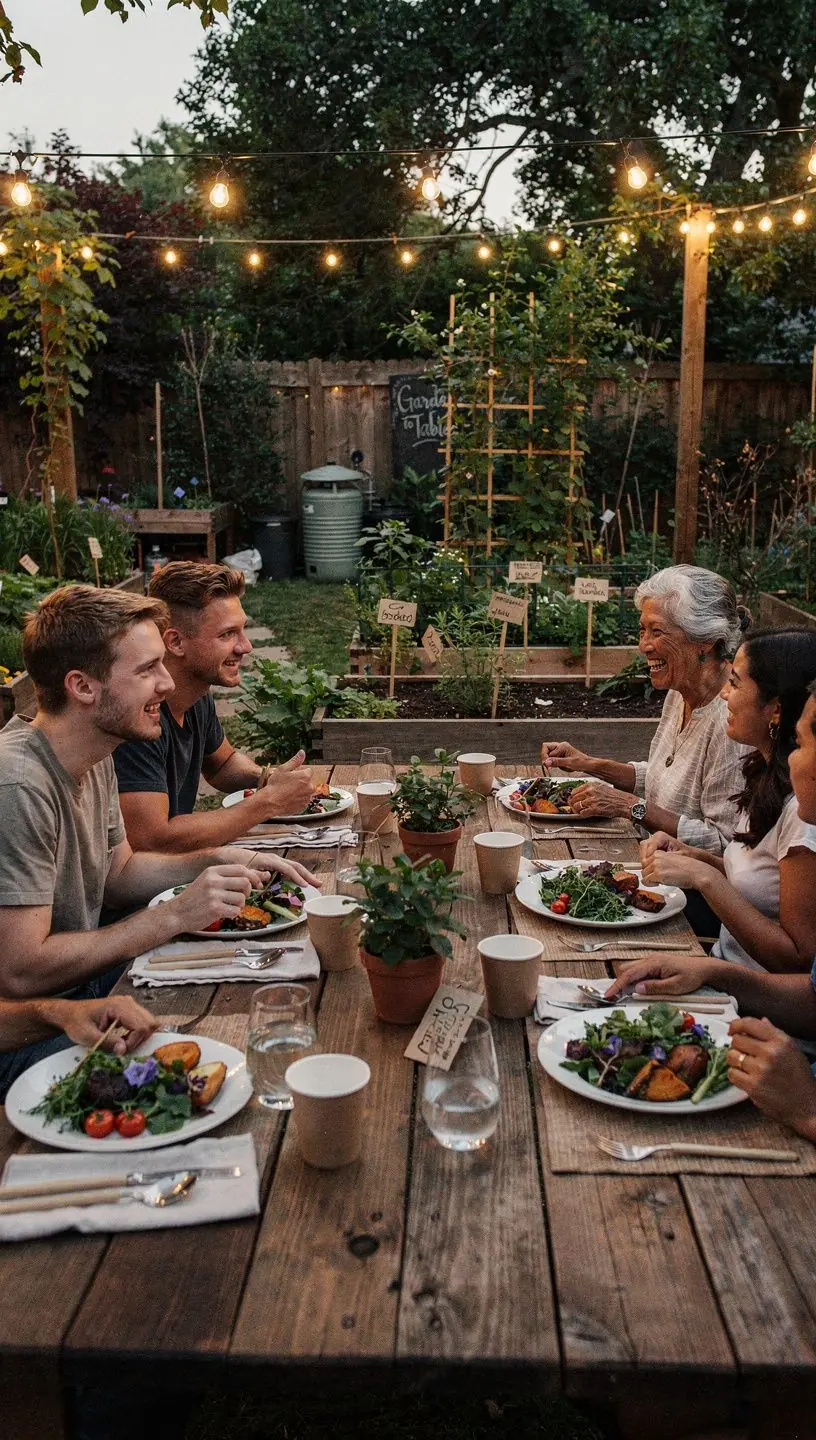
"Using native plants can result in gardens that are not only beautiful but also beneficial to the surrounding environment."
Benefits of Incorporating Native Plants
- Reduced Water Usage: Native plants are adapted to local rainfall patterns and generally require less irrigation once established. Studies indicate that gardens featuring native species can reduce water usage by up to 50% compared to traditional gardens.
- Lower Maintenance: Many native plants are disease-resistant and thrive without the need for fertilizers or pesticides, which saves time and resources.
- Biodiversity Support: Incorporating native plants can help maintain local biodiversity. Research shows that gardens with native flora attract more pollinators and beneficial insects, leading to healthier ecosystems.
How to Start Your Native Plant Garden
Starting a garden with native plants involves several steps:
- Research Local Species: Begin by identifying native plants that thrive in your area. Extension services, such as Cooperative Extension, often provide resources and plant lists specific to regions across the U.S.
- Plan Your Garden Layout: Consider the sun exposure, soil type, and space available in your garden. Group plants with similar needs to create a harmonious design.
- Prepare the Soil: Improve your garden soil by adding organic matter. This step can enhance drainage and nutrient content, promoting healthier plant growth.
- Planting and Maintenance: When planting, follow recommended spacing guidelines to ensure healthy growth. Water the plants regularly during their establishment phase, which typically lasts for the first few months.
Challenges and Considerations
While planting native species can be beneficial, it is important to acknowledge potential challenges:
- Some native plants may have specific soil or light requirements, making them less suitable for certain garden locations.
- Establishing a native garden can take time—typically several months to a year—before you see significant growth and benefits.
- It is crucial to avoid invasive plant species, which can outcompete native plants and disrupt local ecosystems.
Conclusion
Incorporating native plants into your garden not only supports local wildlife but also creates a sustainable and low-maintenance gardening option. While the transition may take time and research, the long-term benefits often outweigh the initial efforts. By choosing plants that are well-suited to your local environment, you can create a thriving garden that reflects the beauty of your region.
Explore More