Steps to Create a DIY Garden Bed
Creating a DIY garden bed is a rewarding project that can enhance your outdoor space while providing a productive gardening experience. This guide outlines the essential steps and considerations for building your own garden bed, ensuring you have a reliable and enjoyable gardening setup.
Understanding the Basics of Garden Beds
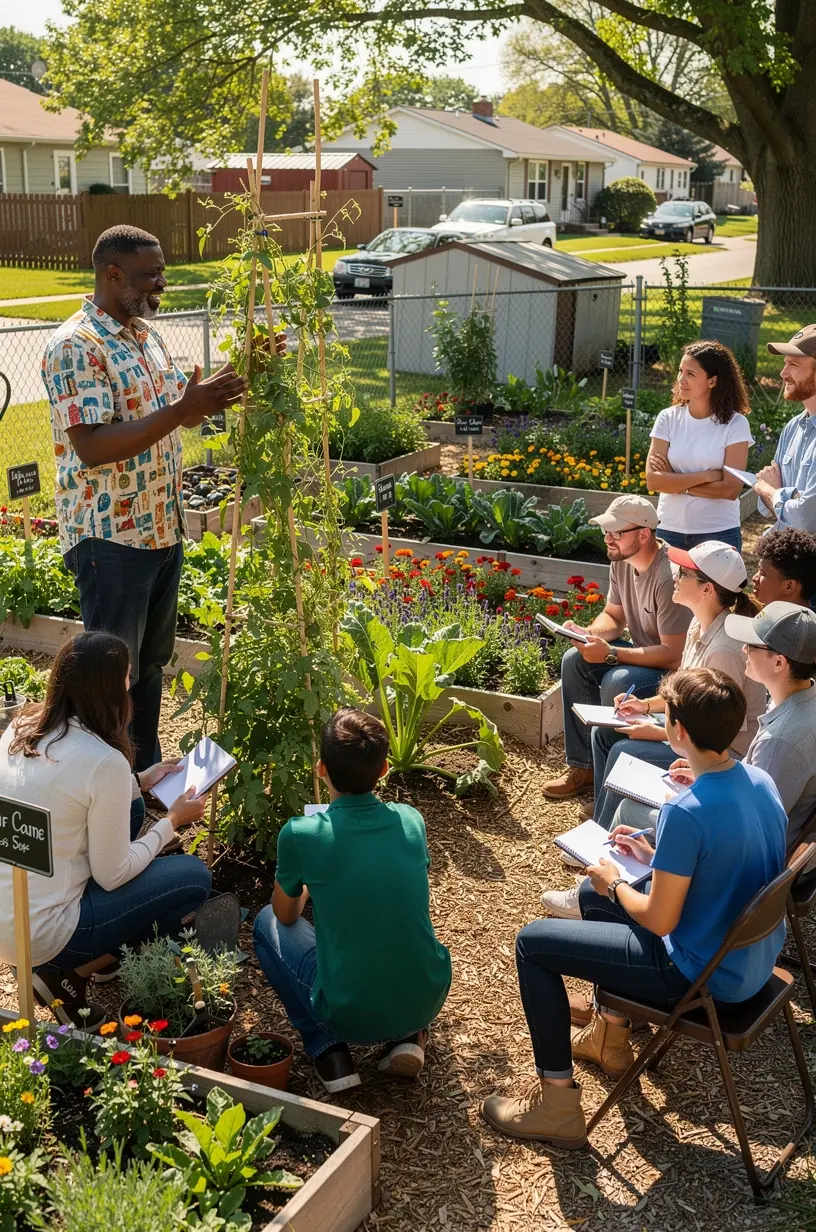
Garden beds, also known as raised beds, are elevated structures filled with soil where plants can grow. According to research, raised beds can improve drainage and soil quality, which typically results in healthier plants and higher yields. Experts recommend using raised beds for new gardeners because they simplify maintenance and allow for better control of growing conditions.
"Raised garden beds can increase productivity significantly by improving soil conditions and promoting better drainage." - Gardening Experts
Materials and Tools Needed
Before starting your project, gather the materials and tools required to build your garden bed:
- Wood or Composite Materials: Cedar or redwood are recommended due to their natural resistance to decay.
- Soil: A mix of topsoil, compost, and other organic matter is ideal for a nutrient-rich environment.
- Tools: A saw, drill, measuring tape, and a level will be essential for construction.
Step-by-Step Guide to Building Your Garden Bed
- Choose Your Location: Select a spot that receives at least 6-8 hours of sunlight daily. The location should also be easily accessible for watering and maintenance.
- Determine the Size: Common dimensions for a raised bed are 4 feet by 8 feet, but you can adjust based on your available space and needs. Typically, a width of 4 feet allows you to reach the center without stepping into the bed.
- Construct the Frame: Cut your wood to size and use screws to assemble the frame. Ensure each corner is square and the structure is level. This step is crucial because an uneven frame can lead to water pooling or soil erosion.
- Add a Base: To prevent weeds, consider placing a layer of hardware cloth or cardboard at the bottom before adding soil. This layer can inhibit weed growth while allowing drainage.
- Fill with Soil: Create a mixture of topsoil, compost, and other organic materials. Research indicates that a well-balanced soil mix can enhance plant growth by supplying necessary nutrients.
- Plant Your Seeds or Seedlings: Follow planting guidelines based on the specific plants you choose. Typically, planting in rows or blocks can maximize space and light exposure.
Maintenance and Care
Maintaining your garden bed involves regular watering, weeding, and adding compost annually. It typically takes a season or two for the garden bed to fully establish itself, but many users report a noticeable increase in plant health and productivity within the first few months. Note that consistent care is essential for achieving the best results.
Conclusion
Building a DIY garden bed can be a fulfilling way to engage with gardening while improving your landscape. By following these steps and considering the needs of your plants, you can create an effective and sustainable gardening environment. Keep in mind that results may vary based on location and plant selection, but with patience and care, your garden can flourish over time.
Explore More